Platform: A tense observation-driven horror set on an endless train
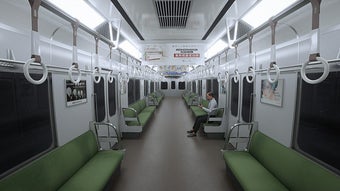
Platform 8 from KOTAKE CREATE traps players on an endless commuter train, forcing escape through observation and careful decision-making. It plays as a walking simulator where you traverse carriages, spotting subtle or overt anomalies and retreating immediately when one appears, forcing careful, repeated passes. The game uses a liminal Japanese commuter setting, randomized anomalies, minimalist controls, and psychological tension aimed at short, replayable sessions for horror fans.
What kind of experience does Platform present?
In this game, you inhabit a seemingly infinite commuter train and the objective is simple: keep moving only when surroundings appear normal. Platform structures play around anomaly detection, a rule that forces immediate retreat on noticing anything uncanny. That rule shifts emphasis away from action and toward decision-making, so each carriage becomes a small, high-stakes scene where observation determines success or failure.
Does the design support solo, focused play?
Inside the train, the design centers on solitary tension rather than shared features, echoing the stated emphasis that the title "focuses on building tension through isolation." Mechanics reduce mechanical complexity so attention rests on the environment: navigation is direct, interactions are minimal, and progress depends on careful reading of visual and contextual cues rather than combat or resource systems.
What does the title look and sound like?
During a run, Platform recreates a realistic, claustrophobic commuter interior inspired by Japanese urban architecture and the liminal space aesthetic. Visuals favor muted lighting and empty carriage geometry to induce unease; ambient sound design underlines that mood without relying on loud stings. The title introduces more overt supernatural events than its predecessor, creating occasional pronounced moments of fright.
Is there a learning curve or onboarding to be aware of?
When starting, controls are intentionally simple and the interface offers minimal on-screen guidance, a design choice meant to keep attention on environmental detail. The rule-based loop rewards precise inspection, so initial attempts feel tense while players calibrate what counts as an anomaly. However, the short average session length means players can iterate quickly and refine observation skills across multiple runs.
How replayable is Platform and how does it relate to its predecessor?
Across repeated runs, randomized anomalies and dynamic event sets keep return play compelling by varying encounters each session. The developer positions this title as the official successor to The Exit 8, shifting the core loop from a station environment to a moving train and altering traversal rhythms. That lineage clarifies the audience: players who enjoy compact, repeatable experiments in creeping dread benefit most.
Platform suits players who prefer brief, attention-driven horror experiments
Platform rewards players who prefer concise, tension-heavy sessions that demand careful attention. However, its narrow scope and solitary structure reduce appeal for those seeking expansive narratives or social play. Fans of compact horror exercises will find it satisfying; players looking for broad variety or multiplayer engagement should note the concentrated design before diving in.